
About the webinar
Research in materials science generates vast amounts of experimental and computational data, but much of it remains siloed, poorly documented, or difficult to reuse. This webinar introduces the NOMAD platform, a free, open-source research data management ecosystem developed by the FAIRmat consortium, designed specifically for the materials science community.
NOMAD enables researchers and R&D teams to store, structure, share, and publish their data following the FAIR principles (Findable, Accessible, Interoperable, and Reusable), thus transforming raw outputs into structured, high-quality datasets ready for collaboration and machine learning applications. For organisations that require full control over their data, NOMAD Oasis offers a self-hosted deployment that brings the same powerful capabilities to a private, secure environment, which makes it equally relevant for industrial R&D settings.
Who is the webinar for?
Whether you are a lab leader thinking about your group’s data strategy, an experimentalist looking to better organise your measurements, a computational researcher interested in making simulation data more reusable and AI-ready, or an industry professional exploring smarter data management for your R&D pipeline — this webinar offers a practical and accessible starting point. No prior experience with research data management tools required.
Key takeaways for participants
-
Understand the FAIR principles and why structured data management matters for modern research and R&D.
-
Get a clear overview of the NOMAD ecosystem: including the central NOMAD repository, Electronic Lab Notebooks (ELNs), and NOMAD OASIS/CAMELS?
-
See concrete examples of NOMAD applied to materials synthesis, characterization, and simulation data, and how outputs from common instruments and codes can be automatically parsed and structured.
-
Understand the bridge to machine learning: how properly managed, FAIR-structured data becomes the foundation for AI-driven discovery and accelerated materials development.
-
Learn about NOMAD Oasis as a self-hosted, private deployment option — particularly relevant for organisations and companies that need to retain full control over their data.
-
Know the first practical steps your group or team can take to get started, and where to find tutorials, documentation, and community support.
Speaker bio
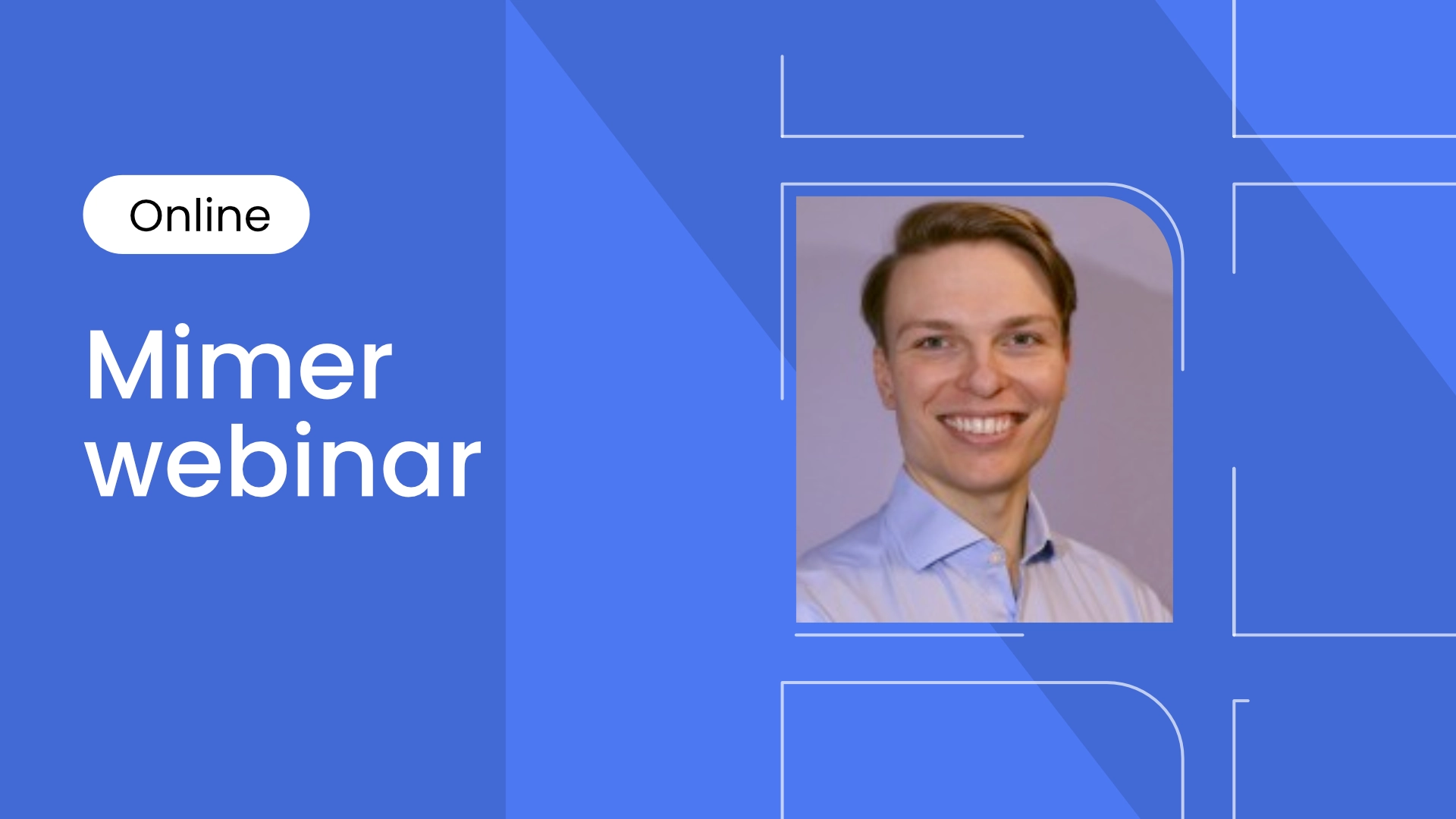
Dr. Hampus Näsström is a materials data scientist at FAIRmat, the NFDI consortium dedicated to making materials science data FAIR and reusable. He completed his PhD at Humboldt University of Berlin, where his research focused on combinatorial synthesis of solar cell materials with an emphasis on high-throughput experimentation and lab automation, which gives him a rare combination of hands-on experimental expertise and deep knowledge of data infrastructure.
At FAIRmat, Hampus is a core contributor to the NOMAD platform, including the development of data schemas and parsers for experimental measurement data such as X-ray diffraction and thin film characterization. He has led NOMAD tutorial tours and training events across Germany, bringing the platform to local research communities through overview talks and hands-on workshops. His work at the intersection of experimental materials science, research data management, and AI-readiness makes him an ideal guide for research groups taking their first steps toward data-driven science.