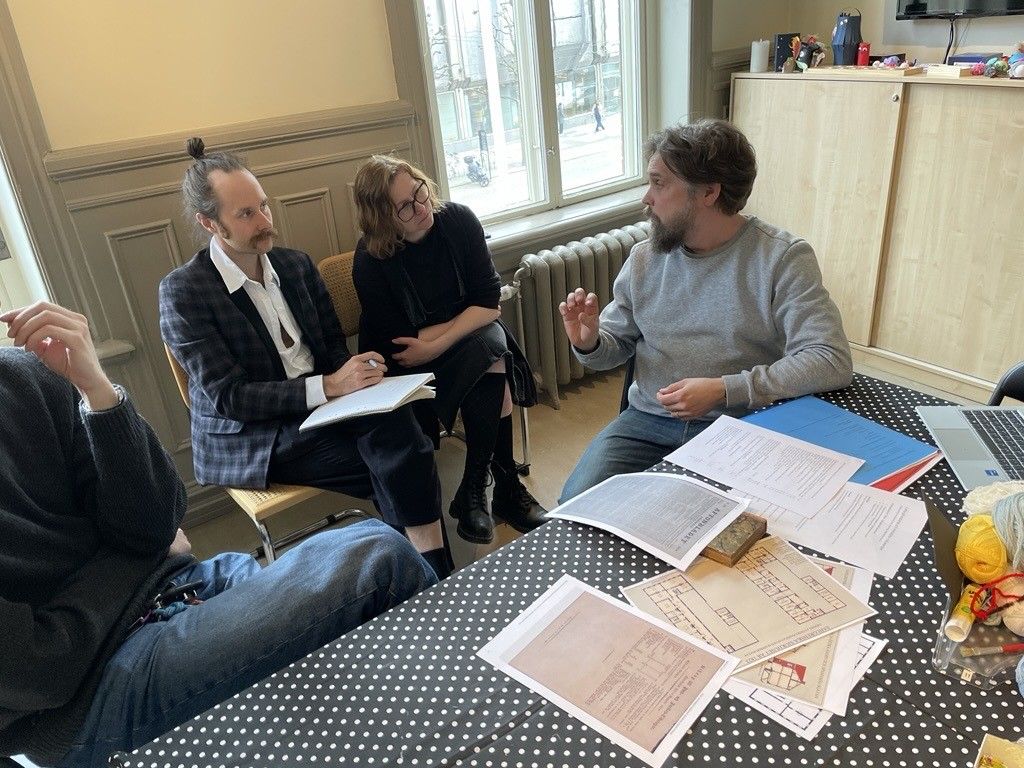
Gothenburg’s Museum of Medical History sits in a building that has been a hospital, a newspaper office, and a police station. Its permanent exhibition traces 400 years of the city’s medical history, from plague and cholera to the breakthroughs that built Sahlgrenska into one of Scandinavia’s great hospital complexes. Now the museum wants to know whether AI can make that history feel less like a display case and more like a place visitors can step inside.
Mimer AI Factory recently ran a workshop with the museum to find out. The occasion is a new temporary exhibition opening in October 2026, and the question on the table was direct: what can AI do for a small museum with big ambitions and limited staff?
The idea
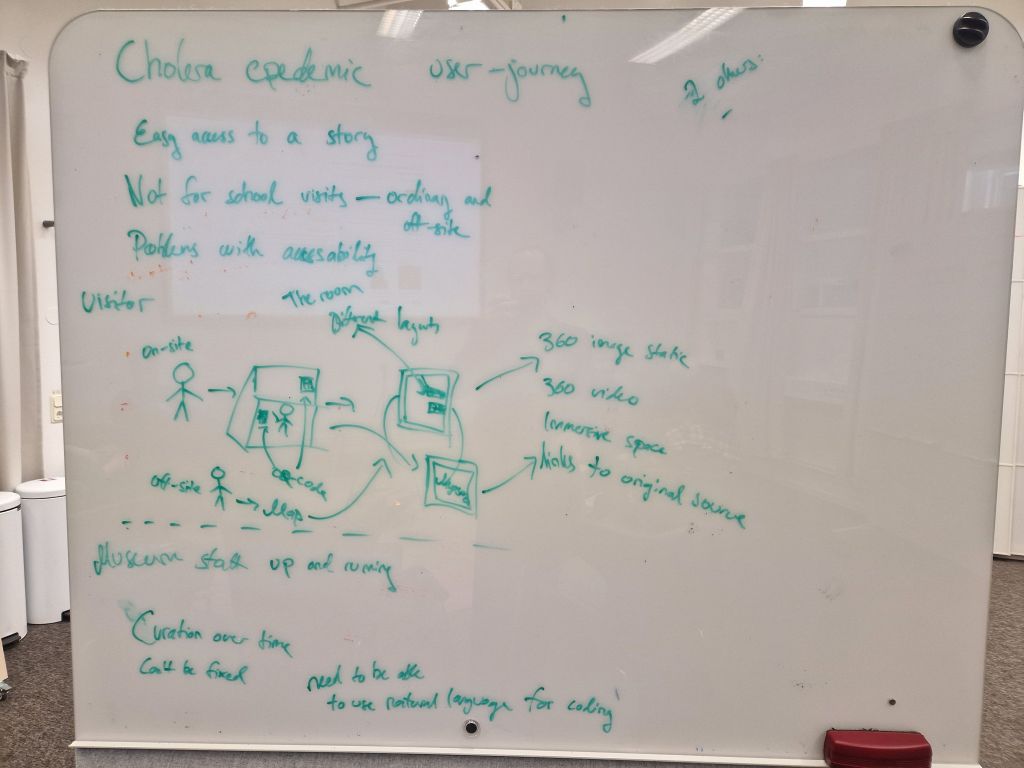
The museum already has a digital map project as a foundation. The workshop explored whether AI could take that further, by generating 360-degree visualisations from existing photographs and archival sources, so visitors get the sensation of standing in a space as it once was. The experience would be phone-based: point at the map on the wall, step on a mark on the floor, or scan a QR code, and the past opens up around you. There might even be scripted interactions, with a doctor or a patient, embedded in the scene.
Three story possibilities were on the table. The strongest candidate centres on cholera at Sahlgrenska Hospital, in the very building where the museum now stands. The concept includes an animated map of the disease’s global spread, objects like burning wood that evoke the miasma theory of illness (the pre-germ-theory idea that bad air was the culprit), and potentially digitised material from Riksarkivet.
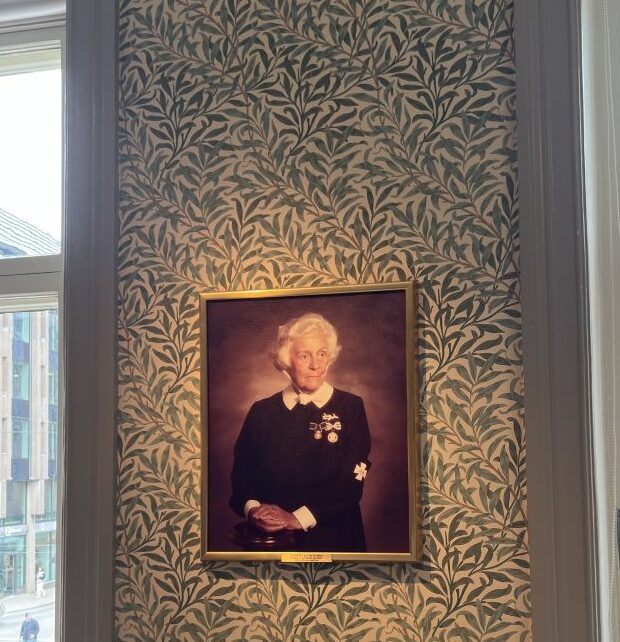
A second option explores place-situated virtual reality tied to Gothenburg’s historical institutions for poor relief. A third — not tied to the October exhibition — would tell the story of Ingeborg Kastman, the museum’s founder, whose name most visitors probably don’t know.
No final choice has been made. The next step is to pick one and see how far it goes.
The harder question
Choosing a use case is straightforward compared to the underlying challenge the museum brought to the workshop: how do you build something you can actually maintain? For a small institution, a brilliant AI-powered exhibition that requires constant external support is not sustainable. The museum wants tools and methods it can develop on its own, and ultimately, create a handbook describing those methods that other small museums could use too.
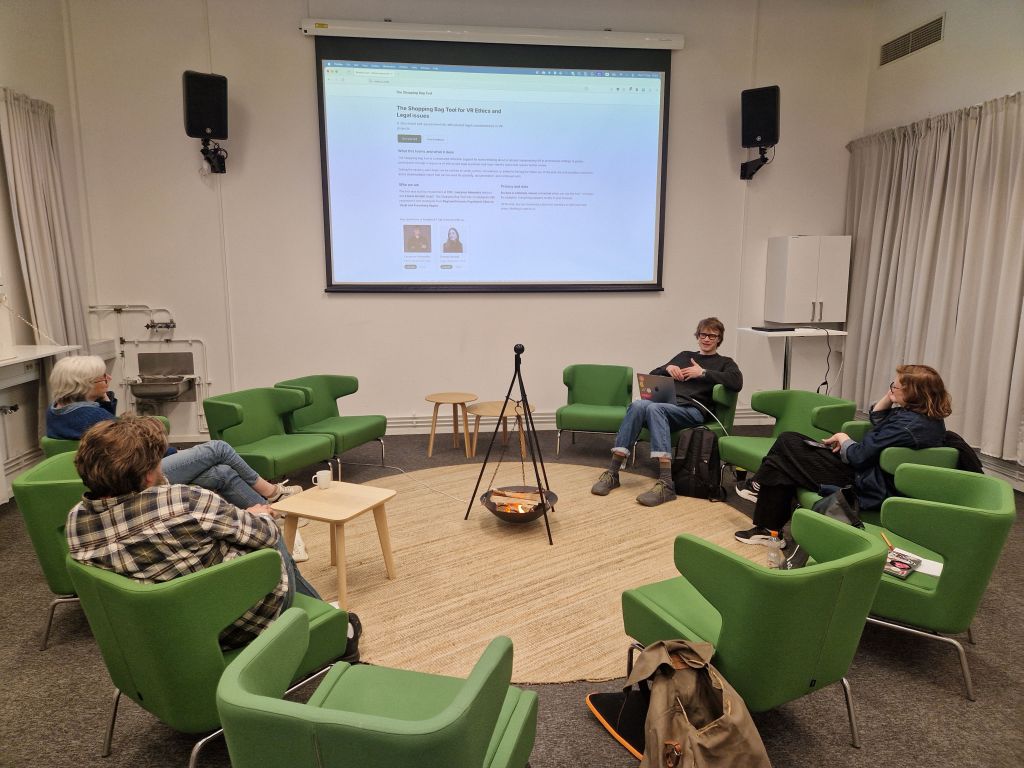
That ambition, combined with the practical work of testing a specific use case, is exactly the kind of project Mimer AI Factory is built for. Ethical considerations were also part of the session — the group worked through potential issues using a dedicated ethics tool — because responsible AI use isn’t a box you tick at the end; it belongs at the beginning.